
The Science of Comfort: How Texture Shapes Mood
BLOGS
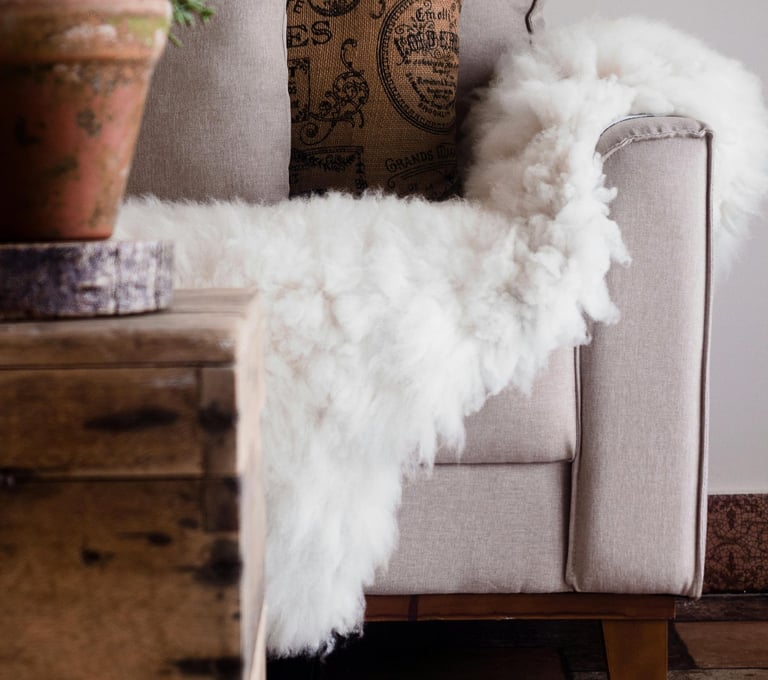
When you think about what makes a space feel “comfortable,” color usually gets the credit. But design psychologists say texture does the heavy lifting.
Texture is how your body reads a room before your mind processes it. A velvet pillow, a nubby rug, or a woven basket tells your brain, this place is safe, soft, and meant to be lived in.
Here’s how to understand the science behind texture and how to use it to design a home that feels as good as it looks.
1. The Psychology of Touch
Our sense of touch connects directly to emotion. Smooth surfaces signal order and clarity; soft ones soothe and relax; coarse textures ground us and feel natural.
Too many hard, slick surfaces can make a room feel cold or impersonal, while layers of softness communicate warmth and approachability.
Try starting small: drape a chunky knit throw blanket across a chair or swap one sleek pillow for a linen-textured cover. Even tiny tactile shifts can change how your nervous system responds to the space.
2. Why Layering Textures Creates Calm
Just as visual variety keeps the eye interested, tactile variety keeps the body at ease.
When every surface feels the same like, all wood or all leather, your senses tune out. Layering soft, medium, and structured materials creates rhythm and comfort.
Combine opposites:
Smooth wood + woven baskets
Soft cushions + crisp cotton sheets
Rough pottery + polished trays
Balance is key. Too many plush fabrics can feel heavy; too many sleek ones feel cold.
Ground the mix with a woven jute area rug; its subtle roughness stabilizes the room and pairs beautifully with soft fabrics.
3. Texture and Temperature
Texture influences how warm or cool a space feels, even if the thermostat stays the same.
Rough, thick materials (like wool or boucle) visually read as warm.
Smooth, thin fabrics (like linen or silk) signal coolness and lightness.
In winter, swap in wool throw blankets, velvet pillows, and a tufted rug to invite warmth.
In summer, trade them for cotton throws and bamboo blinds that breathe and reflect light.
Your textures can adapt with the seasons the way clothing does, keeping comfort constant.
4. How Texture Guides Mood by Room
Living Room:
Soft fabrics on large pieces (sofa, rug) + rough accents (wood, rattan) = comfort without clutter.
Try pairing a linen sofa cover with a rattan side table or seagrass basket for texture balance.
Bedroom:
Textures here should whisper, not shout. Layer cotton sheets, a woven coverlet, and a velvet accent pillow. The contrast signals calm luxury.
Bathroom:
Combine smooth ceramic tiles with tassel hand towels or a woven hamper to soften hard finishes.
Entryway:
Texture greets you before décor does. A coir door mat and wood bench immediately make “welcome home” tangible.
5. Natural vs. Synthetic Textures
Natural materials like cotton, linen, wood and stone, have micro-irregularities that comfort the senses. Synthetic materials can look perfect but sometimes feel lifeless.
If you need durability, mix both: pair a faux-leather ottoman with a wool throw, or a resin lamp base with a linen shade.
These combinations give you practicality without sacrificing authenticity.
6. Texture Through Light and Shadow
Texture isn’t only physical, it’s visual. Light accentuates surface depth.
Raking light from a soft-glow table lamp or wall sconce casts gentle shadows that highlight fabrics and grains.
Avoid overhead lighting alone; it flattens everything. Warm, directional light enhances the perception of texture and comfort.
7. Keep It Intentional
Texture should feel cohesive, not random. Stick to a small palette of materials repeated throughout the home like, linen, wood, and brass.
Echo them in every room: a brass lamp, linen curtains, wood tray. Repetition builds harmony and makes your home feel designed rather than decorated.
8. The Emotional Payoff
When your surroundings feel right, your body relaxes. Touch calms the amygdala, the brain’s stress center, and triggers a sense of safety.
That’s why running your hand across a soft blanket or stepping onto a cushioned rug feels instantly soothing.
Texture communicates care, even when no one says a word.
Designing for comfort doesn’t require more stuff; it requires better texture choices.
A single woven throw, ceramic vase, or jute rug can shift a room’s entire emotional temperature.
Final Thought
Comfort is science you can feel. Texture tells your body whether a room welcomes you or wears you out.
By layering materials that echo nature...soft, warm, touchable...you’re sending a quiet message of ease every time you walk through the door.
Whether it’s a linen pillow, a woven basket, or the gentle light of a warm lamp, your textures tell your story: calm, grounded, and beautifully lived in.