
The Right Way to Organize Your Junk Drawer Once and For All
BLOGS
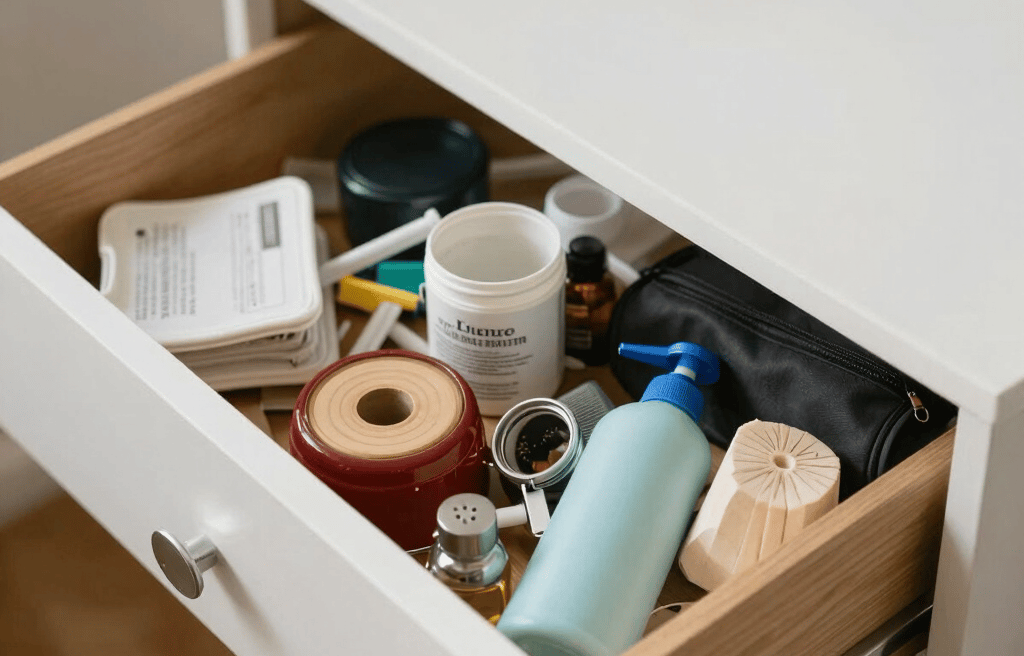
Every home has one. That one drawer in the kitchen that started out as a convenient spot for the occasional miscellaneous item and slowly became the place where everything without a clear home ends up. Dead batteries sitting next to takeout menus from restaurants that closed two years ago. A tape measure, four pens that may or may not work, a random key that opens something nobody can remember, and approximately forty seven rubber bands.
The junk drawer gets a bad reputation but the truth is that a drawer designated for miscellaneous household items is not a bad idea. Every home genuinely needs a place for the small, practical things that do not belong anywhere else. The problem is not the concept... it is the lack of a system. Here is how to fix that once and for all.
Empty It Completely and Start Fresh
There is no way to organize a junk drawer without taking everything out first. Pull out every single item and put it on a flat surface where you can see it all at once. This step feels dramatic but it is necessary. You cannot make good decisions about what belongs in the drawer when things are tangled together and half hidden under other things.
Once everything is out, wipe the inside of the drawer clean. A fresh, empty drawer is a blank slate and it is much easier to be intentional about what goes back in when you are starting from nothing rather than working around what is already there.
Sort, Edit, and Be Ruthless
Now sort through everything you pulled out and be genuinely honest with yourself about each item. Most junk drawers are full of things that nobody ever consciously decided to keep... they just never got thrown away. This is the moment to make those decisions.
Sort into three categories. Things to keep, things to trash, and things that belong somewhere else in the house. As you sort, ask yourself a simple question about each item... if I needed this right now, would I think to look for it here? If the answer is no, it either goes in the trash or gets relocated to where it actually belongs.
Some specific things worth being ruthless about:
Takeout menus... virtually every restaurant has an app or a website now. Paper menus are almost never needed and they accumulate quickly.
Dead batteries... test them if you are not sure, but anything confirmed dead goes immediately.
Pens and markers... test every single one. Throw away anything that does not write. Keep only as many as you genuinely need.
Mystery keys... if you do not know what a key opens and nobody in your household can identify it, the chances of it ever being useful are very low. Let it go.
Expired coupons, old receipts, and random pieces of paper... these almost never need to be in a junk drawer. Anything important should be filed. Everything else gets recycled.
Duplicate items... you do not need six tape measures or three pairs of scissors in one drawer. Keep the best version and find a home for or donate the rest.
What you are left with after this edit should be a noticeably smaller collection of genuinely useful items. That is exactly where you want to be.
Give Everything a Zone
The difference between a junk drawer that stays organized and one that descends back into chaos within a week is containment. When items are loose in a drawer they migrate, mix together, and within days it is impossible to find anything without digging through the whole thing again.
The solution is a drawer organizer or a collection of small containers that divide the drawer into distinct zones. You do not need anything expensive or custom. Small boxes, trays, or even repurposed containers work perfectly well. The goal is simply that each category of item has its own defined space so things do not mingle.
Think about what categories of items belong in your drawer and assign each one a section. Common categories for a well organized miscellaneous drawer include a section for writing tools, a section for small tools like a tape measure and screwdriver, a section for batteries, a section for chargers or cables, and a small section for truly miscellaneous items that do not fit anywhere else. Keep that last section small and disciplined... it is the category most likely to expand if you are not careful.
Maintaining It Going Forward
An organized junk drawer does not require much maintenance if the system is set up correctly. The key is returning things to their designated spot every time rather than just tossing things in and planning to sort it out later. Later never comes, and that is exactly how a junk drawer ends up the way it was before.
A quick rule that helps enormously is the one in one out principle applied specifically to this drawer. When something new needs to live there, something that is no longer useful comes out. This keeps the drawer from gradually filling back up to the point where the organizer stops working and everything slides around again.
Every few months take five minutes to pull out anything that has accumulated without a proper home and deal with it. Move things that have migrated from other parts of the house back where they belong. Throw away anything that has stopped being useful. Straighten the sections so everything is sitting where it should be.
That is genuinely all it takes. A junk drawer that was sorted properly and given a clear system is one of the easiest things in your home to maintain because the barrier to putting things back correctly is so low. When there is a clear, obvious spot for everything, the path of least resistance and the organized choice become the same thing. And that is when an organized drawer stops feeling like discipline and starts feeling like just the way things are.