
Minimalism For Real Life: When You Have More Than You Need
BLOGS
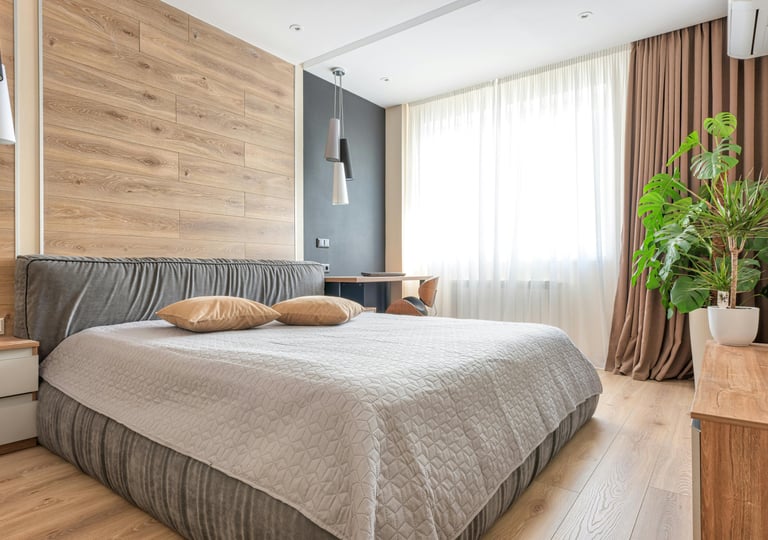

Minimalism looks effortless online...a tidy room, a single candle, a perfectly folded blanket. But in real life? Most of us have families, hobbies, sentimental items, and closets that tell our stories. Becoming a minimalist doesn’t mean getting rid of everything. It means learning how to live with less distraction and more intention, even if you still have a lot of stuff.
Here’s how to simplify your home and mindset without the stress of starting from zero.
1. Redefine What Minimalism Means for You
Minimalism isn’t a contest to see who can own the fewest things. It’s about creating a space that supports the life you want. Maybe that means keeping a cozy library of books, a collection of handmade pottery, or your kids’ craft supplies; but storing them in a way that feels calm, not chaotic.
Start by asking:
What do I actually use or love?
What feels like clutter, and why?
When you know your why, it’s easier to let go of the rest.
2. Begin Small — One Drawer at a Time
Decluttering doesn’t need to be dramatic. Pick one small space like a drawer, a shelf or a countertop. Empty it completely, clean it, and only return what truly belongs there.
Keep a foldable storage bin nearby for “undecided” items so they don’t pile back up. Once that space feels good, move to the next. Momentum builds when success feels achievable.
3. Use Storage to Support Simplicity, Not Hide Clutter
The goal isn’t to stuff everything into matching containers, it’s to make your belongings easy to manage and find. A woven basket near the sofa can hold blankets neatly. A lidded box in the entryway hides shoes. Use clear bins for items you need to see often (like cleaning supplies or craft materials).
Think of storage as a way to respect what you own, not disguise excess.
4. Choose What Earns Your Space
Every item in your home should earn its keep...either through beauty, function, or meaning. If something doesn’t do any of those, it’s taking up physical and mental space.
Ask yourself:
“Would I buy this again today?”
If the answer is no, set it aside for donation. Keep a donation basket in a hallway or closet so it’s easy to drop items in as you go.
5. Style with Intention
Minimalist doesn’t have to mean empty. It means curated. Arrange a few favorite objects...a plant, a framed photo, a candle...on a clean surface, and let them breathe. Group by color or material so it feels cohesive.
A wood tray can corral small items beautifully, and a ceramic vase adds warmth without clutter. One well-styled corner often inspires you to simplify the rest.
6. Set Limits, Not Rules
If you love collecting things, that’s okay, just set boundaries. For example:
“I’ll keep only what fits in this one bookshelf.”
“I’ll own three sets of sheets per bed.”
“I’ll store holiday décor in two bins.”
Limits keep you in control while letting you enjoy what you have. Use stackable bins and shelf dividers to make those limits visible and tidy.
7. Maintain with Gentle Habits
The secret to real-life minimalism is maintenance. Once a week, do a five-minute scan of one room. Toss the obvious trash, donate one item, and reset a surface.
Keep a catch-all basket in each main room for items that need to be returned elsewhere. When the basket fills up, it’s your cue to tidy...quick, simple, no guilt.
8. Focus on Feel, Not Perfection
Minimalism should feel like relief, not restriction. Your home doesn’t have to be white, empty, or magazine-ready. It just needs to support your peace of mind.
When your spaces feel lighter, you think more clearly and live more intentionally, that’s the real reward.
Final Thought
Minimalism isn’t about having less. It’s about making room for calm, creativity, and what matters most. When you embrace the idea that you can simplify without stripping away the things that make your home yours, you’ll discover the kind of calm that lasts.
Whether it’s a woven storage basket, a tray that keeps your surfaces clear, or a simple five-minute reset, it’s not about perfection. It’s about progress — one peaceful corner at a time.