
Layering Textures: Quick Styling Tricks for Instant Warmth in Any Room
BLOGS
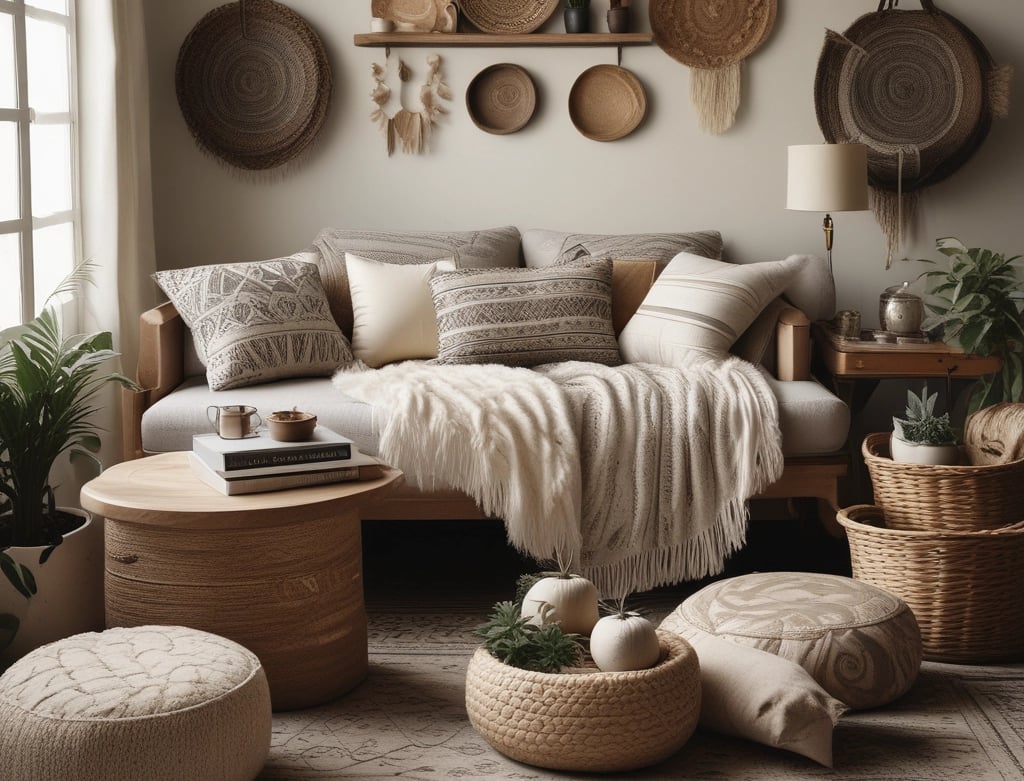
There is a reason some rooms feel instantly cozy and inviting the moment you walk in while others feel a little flat and hard to put your finger on. More often than not the difference comes down to texture. Not color, not furniture, not expensive decor... texture.
What Does Layering Textures Actually Mean
Layering textures simply means combining materials with different surfaces and finishes in the same space. Smooth and rough. Soft and hard. Matte and shiny. When these contrasting textures sit alongside each other they create visual and tactile interest that makes a room feel rich and complete rather than one-dimensional.
Think about a bedroom with crisp white linen sheets, a chunky knit throw draped at the foot of the bed, a jute rug on the floor, and a smooth ceramic lamp on the nightstand. None of those pieces are particularly remarkable on their own... but together they create a layered, warm, and inviting space. That is texture layering at work.
Start with Your Largest Surfaces
Before you add anything new, look at what you already have on your largest surfaces. Your walls, floors, and main furniture pieces are the foundation of your texture story.
Floors
If you have hard floors... wood, tile, or concrete... a rug is the single fastest way to add warmth and softness to a room. The texture of the rug matters as much as the color. A flat woven rug feels casual and clean. A shaggy or high-pile rug feels cozy and plush. A jute or sisal rug feels earthy and grounded. Choose based on the feeling you want the room to have.
Walls
Walls do not have to be flat and smooth. Wallpaper with a subtle texture, a linen-look paint finish, wood paneling, shiplap, or even a gallery wall with frames in different materials all add dimension to what is often the most overlooked surface in a room.
Main Furniture
Your sofa, bed, or main seating is the dominant texture in most rooms. A velvet sofa feels luxurious and soft. A linen sofa feels airy and relaxed. A leather chair feels cool and structured. Whatever your main piece is made of sets the tone for everything else you layer on top of and around it.
Layer in Softness with Textiles
Textiles are the easiest and most affordable way to add texture to any room. Throw pillows, blankets, curtains, and cushions can completely transform the feel of a space without a single piece of furniture changing.
Throw pillows
Mix pillow covers in different fabrics rather than matching them all in the same material. Combine a smooth velvet pillow with a linen one and a knitted or embroidered one. Keep the colors cohesive but let the textures vary. This creates a collected, layered look rather than a matchy-matchy one.
Blankets and throws
A throw blanket draped casually over the arm of a sofa or the corner of a bed instantly adds warmth and softness to a room. Choose something with a noticeable texture... a chunky knit, a waffle weave, a faux fur, or a woven cotton. Avoid anything too thin or flat as it will disappear visually rather than adding dimension.
Curtains
Curtains are often chosen purely for their color or pattern but the fabric matters enormously for texture. Linen curtains feel soft and relaxed. Velvet curtains feel rich and dramatic. Sheer curtains feel light and airy. Choose a fabric that complements the overall texture story you are building in the room.
Bring in Natural Materials
Natural materials are some of the most texture-rich elements you can add to a room and they work in virtually every style of space.
Wood... raw, reclaimed, or smooth... adds warmth and an organic quality that no other material quite replicates
Wicker and rattan bring a light, casual, natural feel that works beautifully in bedrooms, living rooms, and even kitchens
Stone and concrete add a cool, grounding texture that pairs well with softer elements
Linen and cotton in their natural states have a beautiful subtle texture that feels effortless rather than overdone
Plants are an often overlooked texture element... the visual softness of leaves and stems adds life and organic texture to any corner of a room
Mix Smooth and Rough
One of the most reliable rules in texture layering is to always mix smooth surfaces with rough ones. If everything in a room is smooth and polished it will feel cold and sterile. If everything is rough and heavily textured it can start to feel overwhelming and busy.
The sweet spot is contrast. A smooth marble tray on a rough wooden coffee table. A sleek ceramic vase next to a woven basket. A glossy lamp base on a linen tablecloth. These pairings create a natural visual tension that makes a space feel both interesting and balanced.
Use Metallics Sparingly
Metallics... gold, brass, silver, bronze... are texture too. They catch the light and add a subtle shimmer that contrasts beautifully with matte and soft surfaces. The key is to use them as accents rather than a main element. A brass lamp, a few gold picture frames, or a silver tray on a shelf are enough to add that reflective quality without tipping into excess.
Do Not Forget About Smaller Details
Texture lives in the details as much as the big pieces. A stack of books with varied covers. A ceramic bowl with an uneven handmade finish. A wooden cutting board propped against the wall in a kitchen. A cluster of candles in different heights and finishes. These small moments of texture add up quickly and give a room that layered, thoughtful quality that is hard to put your finger on but impossible to miss.
How to Know When You Have Enough
A common question with texture layering is how much is too much. A good rule of thumb is to aim for at least three to four different textures in any given room. Once you hit five or six you are in good territory. Beyond that it starts to depend on the size of the room and how cohesive the overall palette is.
If a room starts to feel busy or visually overwhelming... pull back on pattern first, then on color, and finally on texture. Texture is almost always the last thing that needs to be reduced because it tends to read as warmth and depth rather than noise.
A Simple Place to Start
If you are not sure where to begin, start with one room and one change. Add a throw blanket to your sofa. Swap out your pillow covers for ones in a different fabric. Put a woven basket on an empty shelf. Lay a rug on a bare floor.
Pick one thing... do it... and then step back and see how it changes the feeling of the space. You will be surprised how much one textural addition can shift the entire energy of a room. Once you feel it you will understand exactly why texture is the secret ingredient every warm and inviting home has in common.