
How to Turn a Spare Room Into a Multipurpose Space
BLOGS
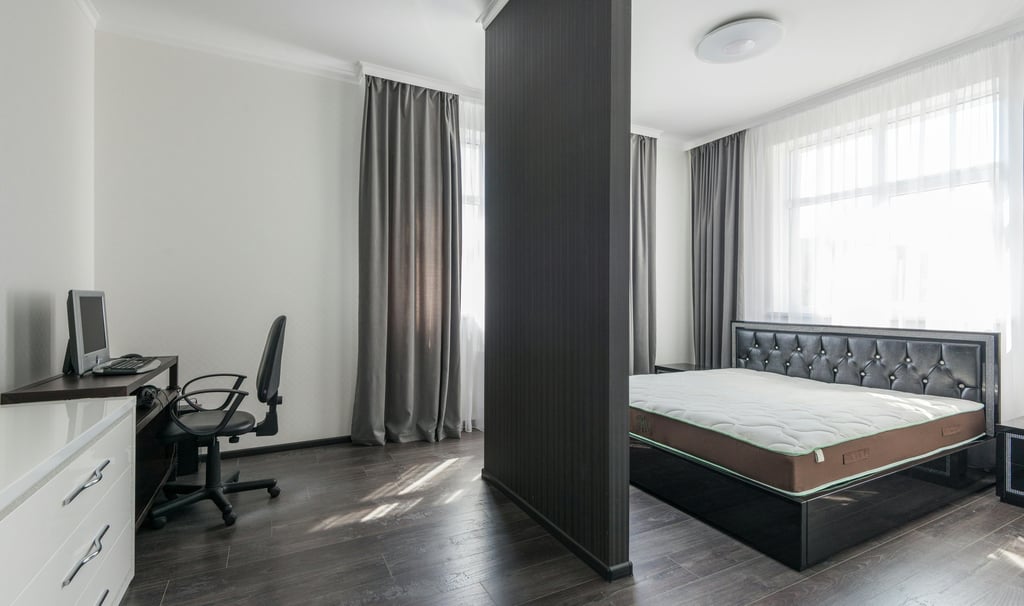

Most homes have one... a room that started out with a vague purpose and slowly became the place where everything without a home ends up. The treadmill that doubles as a clothing rack. The desk buried under boxes that have not been unpacked since the last move. The guest bed that has not seen a guest in two years.
A spare room that is not working for you is wasted square footage. But turning it into something genuinely useful does not mean it has to serve just one purpose. With a little planning and some thoughtful design choices, one room can comfortably do the work of two or even three... without looking or feeling like a compromised version of any of them.
Start by Deciding What the Room Actually Needs to Do
Before you move a single piece of furniture, get clear on what functions this room needs to serve. Be realistic about your actual life rather than your aspirational one. If guests stay over twice a year, a full time guest room is probably not the best use of the space. If you work from home every day, a dedicated workspace should take priority.
Write down every function you want the room to serve and then rank them in order of how frequently you will use each one. The most used function should get the most dedicated, permanent space. Less frequent uses can be accommodated with furniture and systems that are easy to set up and put away.
Common combinations that work well together include a home office and guest room, a workout space and hobby room, a reading room and creative studio, or a kids' homework area and guest space. The key is choosing combinations where the functions do not actively compete with each other at the same time.
Zone the Room Intentionally
The secret to a multipurpose room that actually works is creating clear, distinct zones within the space even if the room is small. When zones are undefined, a multipurpose room tends to feel cluttered and chaotic because everything bleeds into everything else. When zones are clearly established, even visually, the room feels organized and purposeful no matter how many things it is doing.
You do not need walls to create zones. A rug can define a sitting or reading area. A bookshelf used as a room divider can separate a workspace from a sleeping area. A change in lighting... a warm lamp in one corner and a brighter task light in another... signals a shift in function without any physical barrier. Even simply orienting furniture to face different directions can create a surprising sense of separation within a single room.
Think about each zone having three things... a purpose, a dedicated piece of furniture that anchors it, and a storage solution that keeps it tidy. A workspace needs a desk, a chair, and somewhere to store supplies. A guest sleeping area needs a bed or sleeper sofa and somewhere for a guest to put their things. A reading nook needs a comfortable chair, good lighting, and a small surface for a book and a drink. When each zone has those three elements it feels complete rather than thrown together.
Choose Furniture That Works Hard
In a multipurpose room, furniture needs to earn its place twice over. Every piece should either serve more than one function or be easy to move and store when not in use. Single purpose furniture that takes up significant floor space is a luxury a multipurpose room usually cannot afford.
A daybed or a sleeper sofa is one of the most versatile pieces you can put in a spare room. During the day it functions as seating or a reading surface. When guests arrive it becomes a proper sleeping space without requiring a dedicated guest bedroom. Pair it with good quality bedding stored neatly in a basket or ottoman nearby and the transition from one function to the other takes minutes.
A murphy bed is worth considering if guests are a regular enough occurrence to justify the investment. When folded up it frees the entire floor space for another use entirely... a yoga or workout area, a creative studio, or simply a more spacious feeling room during the other 350 days of the year it is not being slept in.
A desk with built in storage, a storage ottoman that doubles as a coffee table or extra seating, and shelving that serves both display and organizational purposes are all examples of furniture earning its keep in a multipurpose space. The more each piece does, the less total furniture the room needs, and the more breathing room you have to work with.
Be Strategic About Storage
A multipurpose room accumulates more categories of stuff than a single purpose room simply because more activities happen there. Without a clear storage system for each function, the room tips from organized to chaotic quickly and stays there.
Give every category of item its own dedicated home and keep categories separated rather than mixed together. Work supplies stay in the desk area. Exercise equipment stays in the workout zone. Guest essentials... extra towels, a spare blanket, a phone charger... stay together in a basket or a designated shelf section that is easy to pull out when needed and easy to tuck away when not.
Closed storage is your friend in a multipurpose room. Open shelving works beautifully in a single purpose space where everything on display is intentional and cohesive. In a room that serves multiple functions, the variety of items needed tends to look cluttered when all visible at once. Cabinets, baskets, boxes, and drawers keep each function's supplies contained and out of sight so the room feels calm regardless of how much it is actually holding.
Label your storage if it helps. In a room where multiple people might use the space, or where you are storing supplies for activities you do not do every day, clear labels make it easy to find what you need and put it back where it belongs without the room gradually unraveling into disorder.
Make It Feel Like a Room, Not a Compromise
The biggest pitfall of a multipurpose room is that it ends up feeling like none of its functions were done properly. The workspace feels like an afterthought. The guest area feels unwelcoming. The whole room feels like a storage solution rather than a real space.
Avoiding this comes down to committing to the design of the room as a whole rather than treating each function as a separate project crammed into a shared space. Choose a single cohesive color palette and apply it across the whole room. Use consistent materials and finishes so furniture from different zones feels like it belongs together. Add the finishing details... art on the walls, a plant, good lighting, something soft underfoot... that signal this is a real, cared for room rather than a functional holding area.
A multipurpose room should feel welcoming to whoever is using whichever function at any given moment. A guest should feel like the sleeping area was prepared for them rather than squeezed in as an afterthought. You should feel productive and comfortable sitting at your desk rather than distracted by the visual noise of everything else the room is doing.
It takes a little more effort than decorating a single-purpose room, but the result... a space that genuinely serves your life in multiple ways without wasting a single square foot... is more than worth the effort.